Research after the age of 40: where to start
After the age of 40, the risk of hypertension, diabetes, thyroid disease and cancer increases. We provide tips on which preventive tests to perform and how often to repeat them.

Key points
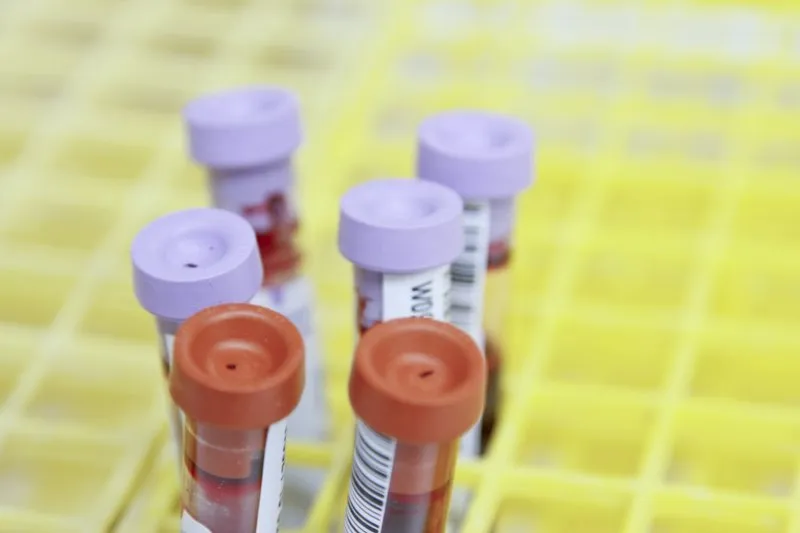
- The basic set is a blood count, glucose, lipid profile, TSH, creatinine, liver function tests and urinalysis.
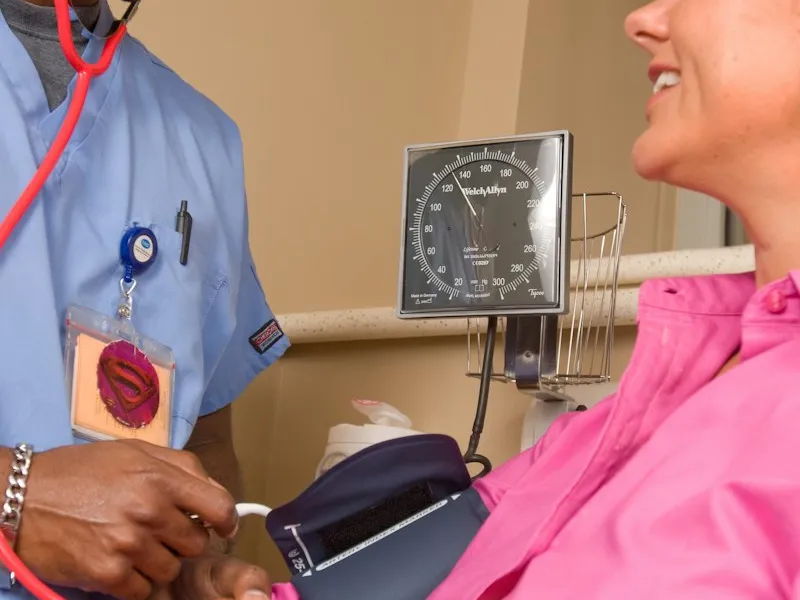
- Once a year, measure your blood pressure and waist and calculate your BMI.
- Cancer screening tests are chosen according to sex, age and family history.
- Discuss your results with a doctor – laboratory “norms” aren't everything.
Forty is a good time for a health check. Many lifestyle diseases develop without symptoms, and they're easier to treat when detected early. Here is a practical list of tests worth starting with.
Blood and urine tests
- Blood count – anaemia, inflammation, clotting disorders.
- Fasting glucose – early detection of prediabetes and diabetes.
- Lipidogram – LDL and HDL cholesterol and triglycerides, i.e. the risk of heart attack and stroke.
- TSH – thyroid function, especially in women.
- Creatinine and eGFR – kidney function.
- Liver function tests (ALT, AST) – e.g. fatty liver.
- Urinalysis – infections and kidney disease.
In-clinic measurements
Raz w roku zmierz ciśnienie tętnicze, masę ciała i obwód talii. BMI powyżej 25 i obwód talii powyżej 80 cm u kobiet lub 94 cm u mężczyzn zwiększają ryzyko chorób serca i cukrzycy.
Cancer screening
Women: a Pap smear or HPV test and – from age 45 – mammography as part of the screening programme. Men over 50 (earlier with a family history) can discuss a PSA test with their doctor. From age 50, screening colonoscopy is recommended. Once a year it's worth having your moles checked by a dermatologist.
How often to repeat tests
With normal results and no chronic conditions, once a year is usually enough. The doctor may recommend more frequent checks with overweight, hypertension, diabetes in the family or smoking.
How to prepare
Come for blood tests in the morning, fasting (8–12 hours without food, water allowed). Avoid alcohol and intense training the day before. Bring a list of medicines and supplements – some (e.g. biotin) can affect the results.
Sources (3)
- Polish Diabetes Association – Clinical recommendations for the management of people with diabetes (updated annually)
- Polish Society of Hypertension – 2019 Guidelines
- National Cancer Registry – screening programmes (onkologia.org.pl)
This article is for information only and does not replace medical advice. In an emergency, call 112.
Specialist in internal medicine. Diagnoses unclear symptoms and looks after patients with chronic conditions – hypertension, type 2 diabetes and thyroid disease.